

How to pour ashes into an urn? Allow us to assist you in fulfilling your loved ones’ wishes by guiding you through the process of transferring cremated remains to urns, jewelry, or other vessels.
How to Transfer Ashes to a Cremation Urn or Jewelry
The loss of a loved one brings many unexpected challenges. One aspect of the grieving process that often takes mourners by surprise is handling their loved one’s ashes after cremation. This situation raises emotional questions.
To help you cope with the loss of a loved one, this guide offers crucial information on how to fill an urn with ashes while being considerate of both the departed and your emotional well-being. There are no judgments here—only answers. You have the freedom to decide how you wish to handle ashes.
Three Options for Transferring Cremation Ashes
How to pour ashes into an urn? Firstly, you have three primary options to consider regarding who will take on the responsibility of transferring the ashes to a suitable container and how this transfer will occur:
- Professional Assistance: You can request that the personnel at the funeral home or crematorium handle this task. They are experienced professionals and can also provide urns for purchase if desired.
- DIY Transfer: Alternatively, you can keep the original sealed container intact and transfer the ashes yourself. This involves placing the plastic bag containing the ashes into a cremation urn, box, or memorial chest of an appropriate size.
- Personal Transfer: Another option is to transfer the ashes yourself by pouring them into a display cremation urn, a scattering urn, a keepsake urn, or a piece of memorial jewelry. Enlisting the help of a trusted family member or friend can make this process more meaningful.
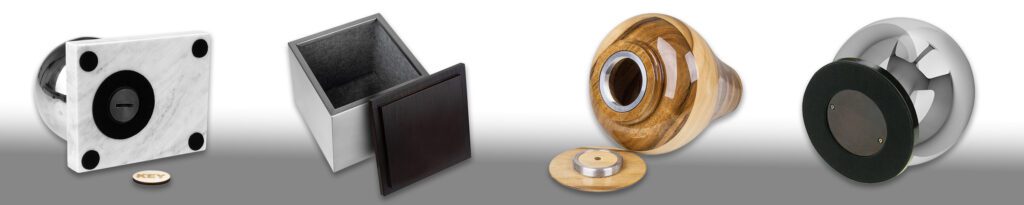
Option 1: Leaving it to the Pros
Funeral homes and crematorium personnel are well-versed in transferring ashes into cremation urns. They often have a selection of appropriate vessels available. However, if you prefer to purchase a specific urn from a vendor of your choice, you have that option. Federal Trade Commission regulations ensure you can choose an urn elsewhere and have it delivered directly to the funeral home for transfer.
Options 2 and 3: Transferring Ashes Yourself
If you feel comfortable, transferring ashes into a cremation urn yourself need not be daunting. Cremated remains typically arrive from the funeral home or crematorium enclosed in a thick polyethylene bag inside a sturdy cardboard box, plastic box, or plastic temporary urn. The box will be properly labeled and accompanied by a certificate of cremation, which you should keep with the ashes.
How to Pour Ashes into a Cremation Urn?
If you choose to transfer ashes from the original plastic bag to an urn or container, follow these steps for the best results:
Gather Your Materials:
- Your chosen urn or container of the appropriate size.
- A flat, level working surface in a well-lit and undisturbed area.
- A piece of newspaper or a towel.
- A large funnel.
- Scissors.
- Sealant (if your container requires permanent sealing, optional).
- Gloves (optional to avoid skin contact with ashes).
Prepare the Area:
- Spread the towel or newspaper on your flat working surface.
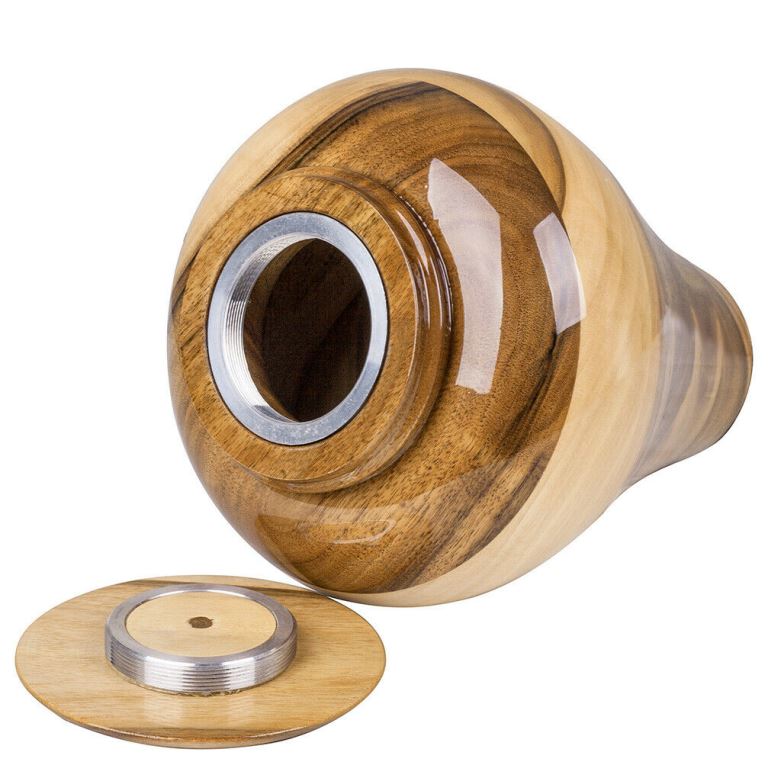
- Place the empty cremation urn on the towel or paper and remove the lid.
- Position the funnel into the urn’s opening.
Transfer the Ashes:
- Ensure the original plastic bag is sealed, then cut a diagonal hole in one corner to create a small spout for controlled pouring.
- Slowly pour the remains through the funnel and into the urn. Gently tap the funnel against the urn to settle the ashes.
- Securely close the urn lid. If you wish to permanently seal it, use glue or sealant.
Alternatively, you can place the sealed original bag of ashes directly inside a sufficiently sized urn. This is a straightforward process: remove the plastic bag from the original delivery box, place it inside your chosen urn, and close the lid.
How to Transfer Ashes to Scattering Urns or Biodegradable Urns
If you intend to transfer ashes from the original sealed bag to biodegradable urns or scattering urns, it requires a bit more precision due to their typically smaller size. Here’s how to do it:
Gather Your Materials:
- The chosen biodegradable or scattering urn.
- A flat, level working surface with good lighting and no wind.
- An appropriately-sized funnel for the urn’s opening (generally smaller than for a display urn).
Prepare the Area:
- Cover your flat surface with a towel or paper.
Transfer the Ashes:
- Follow steps 1 and 2 of the previous section.
Once the transfer is complete, store the container safely until the scattering ceremony. Note that glue is unnecessary for biodegradable or scattering urns, as they won’t be permanently sealed.
How to Fill Keepsake Urns or Pieces of Cremation Ashes
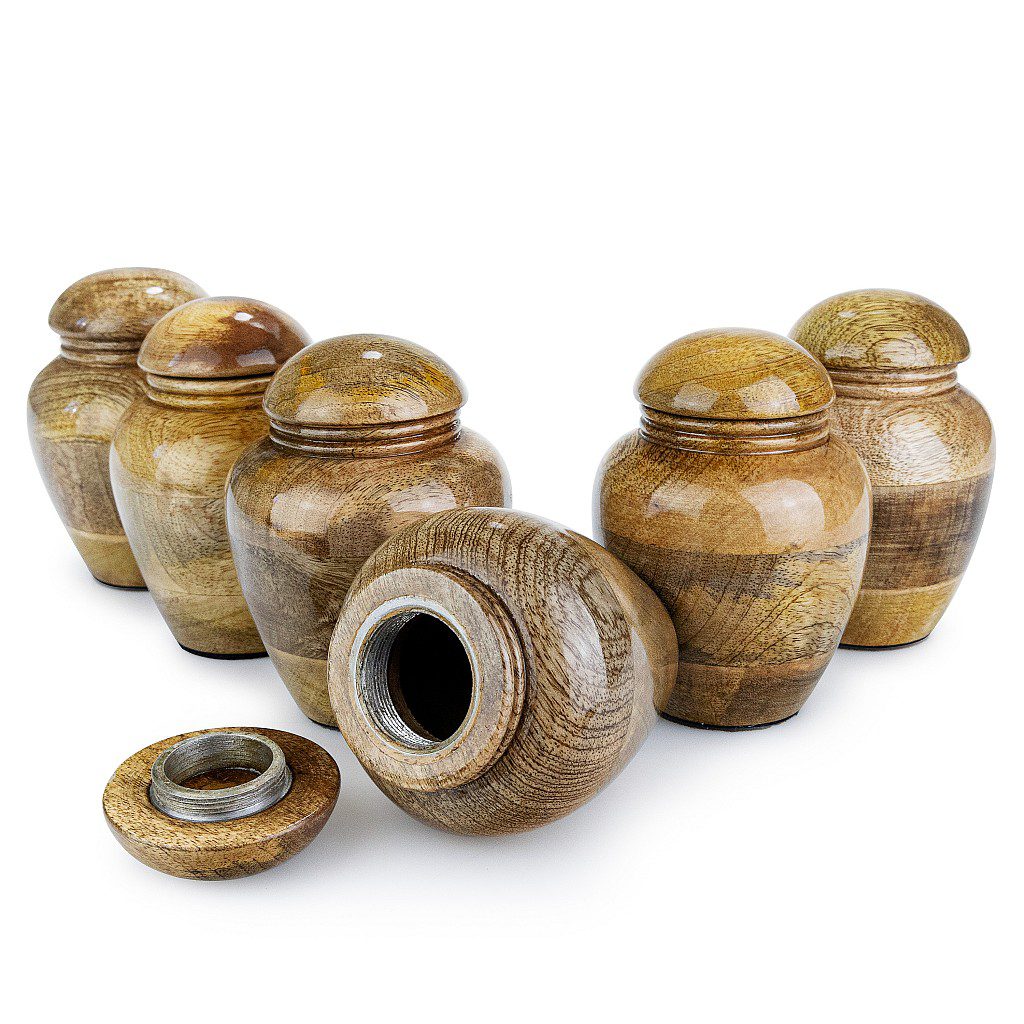
Handling small vessels like pet urns, keepsake urns, or jewelry urns requires extra care when transferring cremation ashes. Here’s what you’ll need and how to do it:
Gather Your Materials:
- A towel or newspaper.
- An appropriately-sized funnel for the chosen keepsake urn or urn jewelry (you can create one by rolling a piece of cardboard or stiff paper into a cone and taping it).
- A small, shallow container with a wide opening, such as a bowl or plate with a rim, to hold a portion of the ashes.
- Sealant or glue (optional, for permanent closure).
- Gloves (optional, to avoid skin contact with ashes).
Prepare the Area:
- Spread the towel or newspaper on a flat, level surface with good lighting and no drafts from open windows.
- Pour a small amount of ashes from the original bag into the shallow container and place it on the towel or paper.
How to pour ashes into an urn? Transfer the Ashes:
Test the funnel by scooping up some ashes and letting them fall through the opening into the shallow container. If they flow smoothly, you’re ready to proceed. If not, make the funnel opening slightly larger.
Hold the jewelry piece or keepsake urn over the container with one hand while using the funnel to scoop a small portion of ashes from the plastic bag. Pour them into the jewelry or keepsake urn in a controlled manner. Allow any excess to fall into the shallow bowl.
If you wish to permanently seal the vessel, apply glue or sealant to the top.
How to Transfer Ashes to a Commissioned Piece of Art
If you choose to commission an artist to create a piece of memorial artwork incorporating ashes, it’s crucial to follow their specific guidelines. Artists who specialize in such creations generally have their own requirements for receiving ashes. Ensure you understand and are comfortable with their practices before proceeding.
Coming Closer to Closure
Every person’s cremated ashes have a unique chemical composition, reflecting their individual story through distinctive minerals and trace elements. While the thought of transferring cremated remains may seem daunting, it can also provide closure after the loss of a loved one.
If you find this task uncomfortable to perform alone, consider enlisting the help of a close friend or family member. Creating a personal ritual around the transfer can be meaningful in your grieving process. Whether you include a small memento or have private words to share with your loved one, allow yourself the freedom to do what feels right for you during this experience.
We collaborate with the world’s finest manufacturers to offer unique, exceptional items that capture your loved one’s spirit and legacy perfectly. We provide a range of options for engraving, personalization, and planning resources.